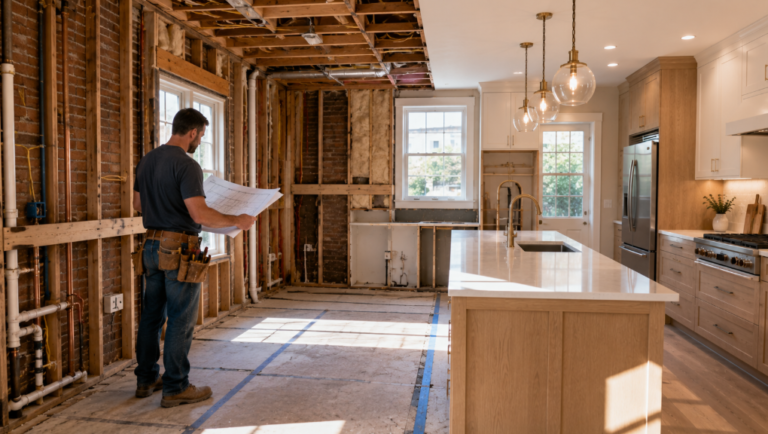
One of the biggest surprises during a kitchen renovation is what lies behind the walls, cabinets, and flooring. Older homes often conceal hidden issues such as water damage, outdated electrical wiring, plumbing leaks, mold, uneven walls, or previous DIY repairs. Identifying and fixing these problems early helps create a safer, longer-lasting renovation and prevents more expensive repairs after the new kitchen is installed.
Key Takeaways
- Demolition often reveals hidden issues that weren’t visible during planning.
- Older homes are more likely to have outdated wiring, plumbing, and structural concerns.
- Addressing hidden problems early prevents costly repairs later.
- Not every renovation uncovers major issues, but it’s wise to plan for the unexpected.
- Working with experienced professionals helps ensure hidden problems are identified before they affect your new kitchen.
Why Hidden Problems Are So Common During Kitchen Renovations
Many homeowners imagine demolition as simply removing old cabinets and countertops.
In reality, demolition is often the stage where we learn the most about the home.
Behind finished walls and cabinetry, it’s common to discover conditions that have remained hidden for years—or even decades. Previous renovations, aging plumbing, outdated electrical systems, moisture intrusion, and structural modifications can all remain unnoticed until the kitchen is carefully taken apart.
This doesn’t mean every renovation turns into a major project.
Most homes have at least a few small surprises, while others reveal issues that genuinely need attention before new cabinets, countertops, or flooring can be installed.
Addressing these problems during the renovation is usually far easier—and less expensive—than discovering them after the project is complete.
If you’re planning a remodel, understanding the renovation process can help you prepare for both expected work and unexpected discoveries. Our Kitchen Renovation Services are designed to identify and resolve these issues before they become long-term problems.
Hidden Problem #1: Water Damage
Water damage is one of the most common discoveries once cabinets are removed.
Small plumbing leaks can go unnoticed for years because they’re hidden behind sink cabinets or inside wall cavities. Over time, even minor leaks can damage drywall, subfloors, cabinet framing, and surrounding materials.
Common signs include:
- Soft drywall
- Dark stains
- Swollen wood
- Musty odors
- Warped subflooring
The good news is that identifying water damage during a renovation allows it to be repaired before new cabinetry is installed, protecting your investment from future problems.
Contractor Insight: Water damage isn’t always dramatic. In many kitchens, the leak itself may have stopped years ago, but the damaged materials remain hidden until demolition begins.
Hidden Problem #2: Outdated Electrical Wiring
Many older kitchens were designed long before today’s appliances and electrical demands.
Behind the walls, it’s not unusual to find:
- Aging wiring
- Overloaded circuits
- Improper electrical modifications
- Insufficient outlets
- Older electrical panels
Modern kitchens require significantly more power than kitchens built several decades ago.
Updating electrical systems during a renovation helps ensure your kitchen safely supports modern appliances while meeting current building requirements.
Attempting to install new cabinetry without addressing outdated wiring can create unnecessary complications later.
Hidden Problem #3: Plumbing Issues
Kitchen plumbing often tells the story of multiple renovations completed over many years.
After demolition, contractors sometimes discover:
- Corroded supply lines
- Improper drain connections
- Previous leak repairs
- Aging shut-off valves
- Pipes that no longer meet current standards
These issues aren’t always visible while the old kitchen is still in place.
Replacing aging plumbing components before installing new cabinets reduces the likelihood of future leaks damaging your newly renovated space.
Hidden Problem #4: Uneven Walls
One surprise many homeowners don’t expect is discovering that the walls behind their cabinets aren’t perfectly straight.
Over time, homes naturally settle.
Previous remodeling work may also leave behind uneven framing or drywall that wasn’t noticeable when cabinets covered the surface.
While small imperfections are common, larger variations can affect:
- Cabinet alignment
- Countertop installation
- Tile backsplashes
- Crown molding
- Overall finished appearance
Correcting these issues during installation helps ensure cleaner lines and a more professional-looking kitchen.
Contractor Insight: It’s surprisingly common for homeowners to assume new cabinets will automatically “fix” uneven walls. In reality, properly preparing the wall behind them often makes the biggest difference in achieving a seamless final result.
Hidden Problem #5: Mold Growth
Mold isn’t present in every renovation, but when moisture has been trapped behind cabinets or inside wall cavities for an extended period, it can sometimes develop unnoticed.
Common causes include:
- Slow plumbing leaks
- Condensation
- Previous water damage
- Poor ventilation
Finding mold during demolition allows it to be safely addressed before reconstruction begins, helping create a healthier indoor environment.
Hidden Problem #6: Structural Damage
While structural problems are less common than plumbing or electrical issues, they can have the greatest impact on a renovation. Older homes sometimes reveal weakened framing, sagging floor joists, improperly modified load-bearing walls, or damage caused by years of moisture exposure. These issues often remain hidden because cabinets and drywall conceal them completely.
Finding structural concerns during demolition may feel discouraging, but it’s actually the safest time to address them. Making repairs before installing new cabinetry ensures your kitchen has a solid foundation and helps prevent future movement that could affect countertops, flooring, or custom cabinets.
Hidden Problem #7: Previous DIY Repairs
One of the most interesting parts of any renovation is uncovering evidence of previous repairs. Over the years, many kitchens have been updated multiple times, and not every project was completed by experienced professionals.
It’s not unusual to discover plumbing connected with temporary fittings, electrical wiring joined with incorrect connectors, cabinets shimmed unevenly, or drywall patched in ways that don’t meet current standards. Sometimes these repairs have worked for years without causing problems, while others become obvious only after demolition begins.
Correcting older workmanship during the renovation creates a much stronger foundation for everything that follows.
Contractor Insight: Every older home tells a story. Some of those stories include creative repairs that solved short-term problems but weren’t intended to last for decades.
Hidden Problem #8: Missing or Inadequate Insulation
Many homeowners never think about insulation during a kitchen renovation until the walls are open.
Older homes, in particular, may have little insulation or insulation that has settled, deteriorated, or become damaged by moisture. Improving insulation while the walls are exposed is often one of the easiest energy-efficiency upgrades available during a remodel.
Although it isn’t as visually exciting as new cabinets or countertops, proper insulation contributes to a more comfortable kitchen throughout the year while improving overall energy performance.
Hidden Problem #9: Signs of Pest Activity
Cabinets often hide areas that are rarely inspected, making them places where signs of past pest activity can remain unnoticed.
Occasionally, demolition reveals damaged wood, nesting materials, or small openings where rodents or insects previously entered the home. In many cases the problem has already been resolved, but repairing any remaining damage before reconstruction helps protect the new kitchen.
Addressing these issues early also allows potential entry points to be sealed before the walls are closed again.
Hidden Problem #10: Improper Ventilation
Kitchen ventilation has changed significantly over the years.
Many older kitchens simply recirculated cooking air instead of venting it outdoors, while others used ductwork that no longer meets modern recommendations. During demolition, contractors sometimes discover disconnected ducts, undersized vents, or ventilation systems that were never properly installed.
Because cooking produces heat, moisture, grease, and odors, effective ventilation plays an important role in maintaining indoor air quality and protecting cabinetry from excess moisture over time.
Hidden Problem #11: Flooring Damage Beneath Cabinets
One surprise homeowners don’t always expect is the condition of the floor beneath existing cabinets.
Since these areas remain hidden for decades, they may contain water damage, uneven subfloors, multiple layers of old flooring, or repairs from previous renovations. Sometimes installers even discover flooring that stops where the old cabinets begin, creating challenges when the kitchen layout changes.
Examining the subfloor during demolition allows any necessary repairs to be completed before new flooring and cabinetry are installed, creating a more stable finished kitchen.
Hidden Problem #12: Outdated Building Standards
Homes built twenty, thirty, or fifty years ago were constructed according to the building standards of their time. While many of those installations may have functioned well for years, modern renovations often reveal opportunities to improve safety, efficiency, and functionality.
Electrical outlet spacing, plumbing configurations, ventilation systems, and structural details may all differ from today’s practices. Updating these elements during a renovation helps ensure the finished kitchen performs as well as it looks.
Rather than viewing these discoveries as setbacks, many homeowners see them as valuable opportunities to improve the long-term quality of their home.
Why These Discoveries Shouldn’t Be a Cause for Concern
Finding hidden issues during a kitchen renovation can feel overwhelming at first, especially if you weren’t expecting them. However, uncovering these conditions before your new kitchen is installed is actually a positive outcome.
Renovations provide a rare opportunity to inspect areas of the home that normally remain hidden for decades. Once cabinets, drywall, and flooring are removed, it’s possible to identify concerns that would otherwise continue unnoticed. Addressing them now helps prevent future repairs that could require removing newly installed finishes or disrupting your completed kitchen.
The goal isn’t to expect problems in every project. Instead, it’s to recognize that older homes naturally evolve over time, and renovations provide the perfect opportunity to restore and improve what’s behind the finished surfaces.
Final Thoughts
One of the biggest misconceptions about kitchen renovations is that demolition is simply about removing old materials. In reality, it’s often the stage where the most valuable discoveries are made.
Whether it’s outdated wiring, hidden water damage, uneven walls, or evidence of previous repairs, identifying these conditions before reconstruction allows them to be corrected properly. That extra attention behind the scenes helps ensure your finished kitchen isn’t just beautiful—it is also safe, durable, and built to perform well for years to come.
If you’re planning a remodel, our Kitchen Renovation Services focus on careful planning and thorough preparation so unexpected discoveries can be addressed before they become costly surprises. If you’d like to discuss your project or understand what to expect during your renovation, contact our team and we’ll be happy to help.
Also read: 10 Kitchen Renovation Decisions You Will Live With.
